Wedding Invitation Card: Your Complete Design Asset Guide
That moment when a couple opens their wedding invitation sets the tone for the entire celebration. A beautifully crafted Wedding Invitation Card isn't just paper—it's the first glimpse into the style, mood, and personality of the event. For designers, small business owners, and creative entrepreneurs, having a versatile, high-quality invitation template in your toolkit can save countless hours while delivering stunning results. Whether you're a stationery designer building your portfolio, a wedding planner creating custom materials for clients, or a DIY bride wanting professional-quality invitations, the right digital asset makes all the difference.
Why Professional Wedding Invitation Templates Transform Your Workflow
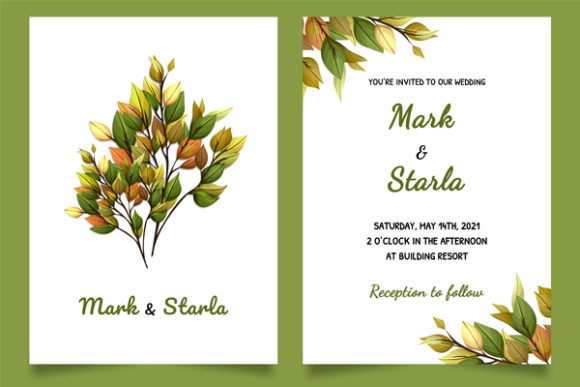
Working with a premium Wedding Invitation Card template available as JPG HD files, EPS files, and PSD files gives you something invaluable: flexibility. The JPG HD files provide ready-to-use high-resolution images perfect for quick mockups, client presentations, or social media previews. But the real power lies in the editable formats. An EPS file opens in Adobe Illustrator, letting you modify every vector element—resize ornamental flourishes, adjust color palettes, swap typography, and scale the design to any dimension without losing quality. The PSD file works in Adobe Photoshop, offering layered editing where you can toggle design elements on and off, experiment with textures, apply effects, and customize every detail to match a specific wedding theme.
This multi-format approach means one template serves dozens of projects. A vintage botanical invitation might become a save-the-date card, a wedding website banner, a thank-you note, and matching envelope liner—all from the same source file. For designers juggling multiple clients or brides managing various wedding stationery pieces, this consistency is a game-changer for maintaining visual cohesion across every touchpoint.
Exploring the Visual Character of Wedding Stationery Design
Wedding invitation design occupies a unique space in the design world. It blends formal elegance with personal expression, requiring a delicate balance between sophistication and warmth. The best templates feature thoughtful details—delicate watercolor washes, hand-drawn botanical illustrations, subtle gold foil textures, or clean modern geometric frames. These visual elements work together to create an emotional response before a single word is read.
Typography plays a starring role in wedding stationery. Most professional templates pair a romantic script font or handwritten font for the couple's names with a clean serif font or sans serif font for the event details. This font pairing approach creates visual hierarchy and ensures readability while maintaining that coveted elegant aesthetic. When evaluating a template, pay attention to how the typefaces interact. Does the script feel too ornate for the supporting text? Is there enough contrast between the headline and body copy? These subtle relationships determine whether the final piece feels polished or disjointed.
Practical Applications Beyond the Wedding Day
While the primary use is obvious, a well-designed Wedding Invitation Card template extends far beyond invitations. Consider these creative applications that make this type of design asset incredibly versatile:
- Event stationery suites: Matching programs, menus, place cards, table numbers, and signage that carry the same visual language throughout the celebration
- Digital products: Editable templates sold on Etsy or Creative Market to other brides and planners looking for customizable options
- Social media graphics: Engagement announcements, countdown posts, and wedding day updates styled consistently with the physical stationery
- Brand identity for wedding vendors: Photographers, florists, caterers, and planners can adapt elegant invitation aesthetics into their own marketing materials
- Blog content and editorial layouts: Wedding bloggers and lifestyle publishers can use these design elements as visual anchors for related articles
- Packaging design: Favor boxes, gift tags, and thank-you packaging that echoes the invitation's style
- Print materials: Bridal shower invitations, rehearsal dinner cards, and anniversary celebrations that maintain family visual traditions
For small business owners in the wedding industry, having access to editable templates means you can quickly produce custom mockups for client pitches, create marketing assets that reflect current design trends, or develop a product line of downloadable templates without starting from scratch every time.
Matching Design Style to Project Goals
Not every wedding invitation template suits every project. The design style should align with the event's personality and the couple's vision. A rustic barn wedding calls for different visual language than a black-tie ballroom affair. Before selecting a template, consider the mood you're trying to convey. Organic, hand-drawn elements with muted earth tones feel right for bohemian or outdoor celebrations. Clean lines, minimalist layouts, and monochromatic color schemes speak to modern, urban couples. Ornate borders, classic serif typography, and rich jewel tones evoke timeless formality.
This principle applies equally when using wedding-inspired design assets for non-wedding projects. A brand targeting romantic, feminine audiences might borrow the soft palettes and elegant typography of wedding stationery for their packaging design or website. A lifestyle blogger could use similar visual elements for editorial layouts that feel aspirational and curated. The key is matching the visual tone to your audience's expectations and your project's communication goals.
Working With Multiple File Formats Effectively
Understanding when to use each file format saves time and ensures the best results. JPG HD files work perfectly when you need a finished, non-editable image—think printing a proof, posting a preview online, or inserting into a presentation. The high resolution ensures crisp output even at larger sizes.
The EPS file is your workhorse for any project requiring scalability or vector editing. Opening it in Adobe Illustrator, you can resize the entire design for anything from a small favor tag to a large welcome sign without any pixelation. You can also extract individual elements—a floral corner, a decorative border, a monogram—and repurpose them across different materials. This makes EPS files particularly valuable for creating comprehensive brand identity systems where visual consistency matters.
The PSD file in Adobe Photoshop is ideal for detailed customization. Layered files let you adjust individual elements with precision, experiment with different color treatments, add photographic textures or backgrounds, and create realistic mockups showing the invitation in context. If you're selling digital templates or presenting concepts to clients, PSD files give you the most creative control over the final appearance.
Readability and Typography Considerations
Beautiful design means nothing if people can't read the information. Wedding invitations carry essential details—dates, times, locations, RSVP instructions—and these must be legible at a glance. When customizing a template, test your typography choices at the actual print size. Script fonts that look gorgeous on a 27-inch monitor might become illegible when printed at 12-point size on textured card stock.
A good rule of thumb: reserve decorative fonts for names and headlines where impact matters more than rapid comprehension. Use clean, well-spaced typefaces for logistical details. Pay attention to line spacing and letter spacing, especially with script fonts where characters can overlap awkwardly. If you're creating a commercial font product or selling editable templates, include clear documentation about which fonts are used and where customers can access them for further customization.
Licensing and Commercial Use Considerations
Before using any design asset commercially, verify the licensing terms. Most premium templates come with clear commercial use licenses, but the specifics vary. Some licenses allow unlimited personal projects but restrict commercial use to a certain number of end products. Others permit full commercial use including resale of finished products but prohibit redistribution of the source files themselves.
For designers building a business around custom wedding stationery, ensure your license covers client work. If you're creating digital templates for sale, confirm that the license permits this specific use case. When in doubt, contact the asset creator directly. Understanding these terms upfront prevents legal headaches down the road and protects both your business and your clients.
The beauty of a well-crafted Wedding Invitation Card template lies in its ability to serve as both a finished product and a starting point. With the right files in hand and a clear understanding of how to customize them, you're equipped to create wedding stationery and related design materials that feel personal, professional, and perfectly suited to any celebration or creative project.